Kenya is set to reopen its border with Somalia in April 2026, ending a closure that has lasted nearly 15 years due to security concerns.
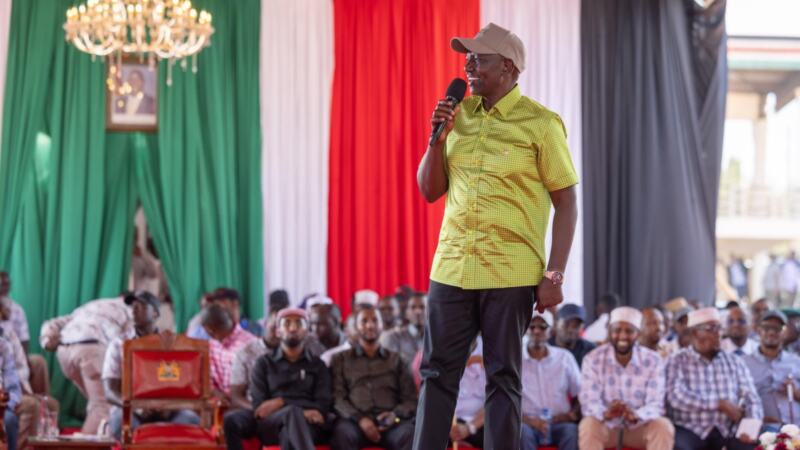
President William Ruto announced the decision during a visit to Mandera County, saying the long closure had “hindered trade and separated families for far too long.” He added, “Our people in the northeast have suffered economically, and it is time to restore normalcy while maintaining security.”
The border was shut in 2011 amid threats from the militant group al-Shabaab, which carried out attacks and kidnappings along the frontier.
Since then, movement between the two countries has been restricted, limiting business and social interaction in the region.
Speaking to local traders, President Ruto said:
“We cannot continue punishing our people economically for challenges we are now capable of managing.
Security has improved, and we are putting in place measures to ensure trade and movement resume safely.”
The reopening is expected to revive cross-border trade, particularly in livestock, food, and small-scale commerce.
One trader in Mandera, Abdi Mohamed, said:
“We have been struggling to move our goods for years. This reopening will finally allow us to sell to Somali markets without fear and reduce costs.”
Local leaders have also welcomed the move. Mandera County Governor Ahmed Kuno said:
“This is a historic day for our people. We can now reconnect with our neighbours, and economic activity will pick up in a big way.”
Security experts, however, cautioned that strict monitoring would remain critical.
Authorities have assured that new checkpoints, enhanced surveillance, and coordinated patrols will be in place when the border resumes operations.
The reopening signals a major policy shift, highlighting Kenya’s efforts to balance national security with economic recovery and regional cooperation. If implemented successfully, it could strengthen relations with Somalia while boosting livelihoods in the northeastern region.