Blue Radio Kenya
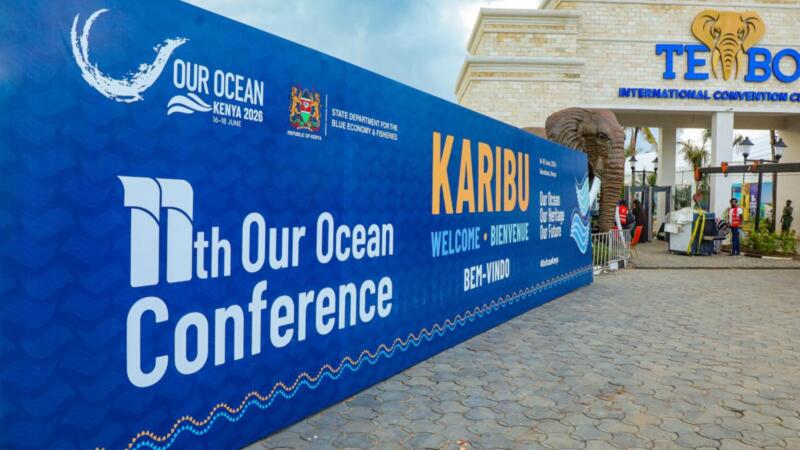
World leaders, policymakers, conservationists, scientists, and community representatives gathered in Mombasa for the official opening of the 11 Our Ocean Conference (OOC11), with a resounding message to move beyond commitments and move toward action to protect the ocean.
The opening ceremony brought together national and county leaders, international dignitaries, and ocean advocates, including former United States Secretary of State John Kerry, Deputy President Kithure Kindiki, Cabinet Secretaries Hassan Joho and Lee Kinyanjui, governors from Kenya's coastal and lake-region counties, and environmental champions from across the globe.
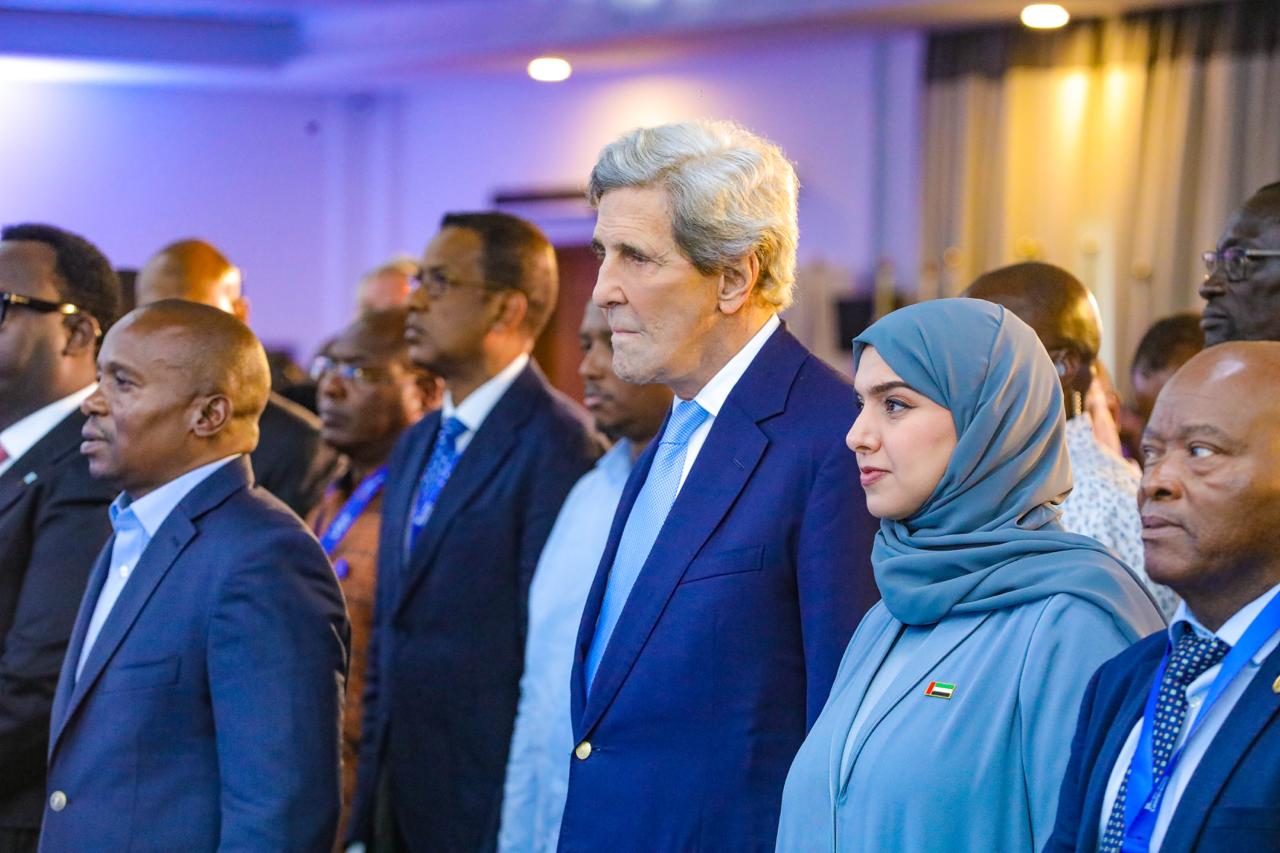
Welcoming delegates to the conference, Mombasa Governor Abdulswamad Nassir reflected on his childhood experiences along the coast and lamented the declining state of marine ecosystems.
"There are fish species that children growing up today may never get the opportunity to see," he said, highlighting the deterioration of coral reef fisheries and the urgent need for conservation measures.
The governor outlined several initiatives being implemented by Mombasa County to address marine pollution, including waste management programs targeting ship-generated waste, the segregation of solid waste, and efforts to reduce runoff entering the ocean. He also noted ongoing support for Beach Management Units (BMUs) and fishing communities to strengthen sustainable fisheries management.
"We have a responsibility to act now so that future generations can experience what we have been fortunate enough to experience," he said.
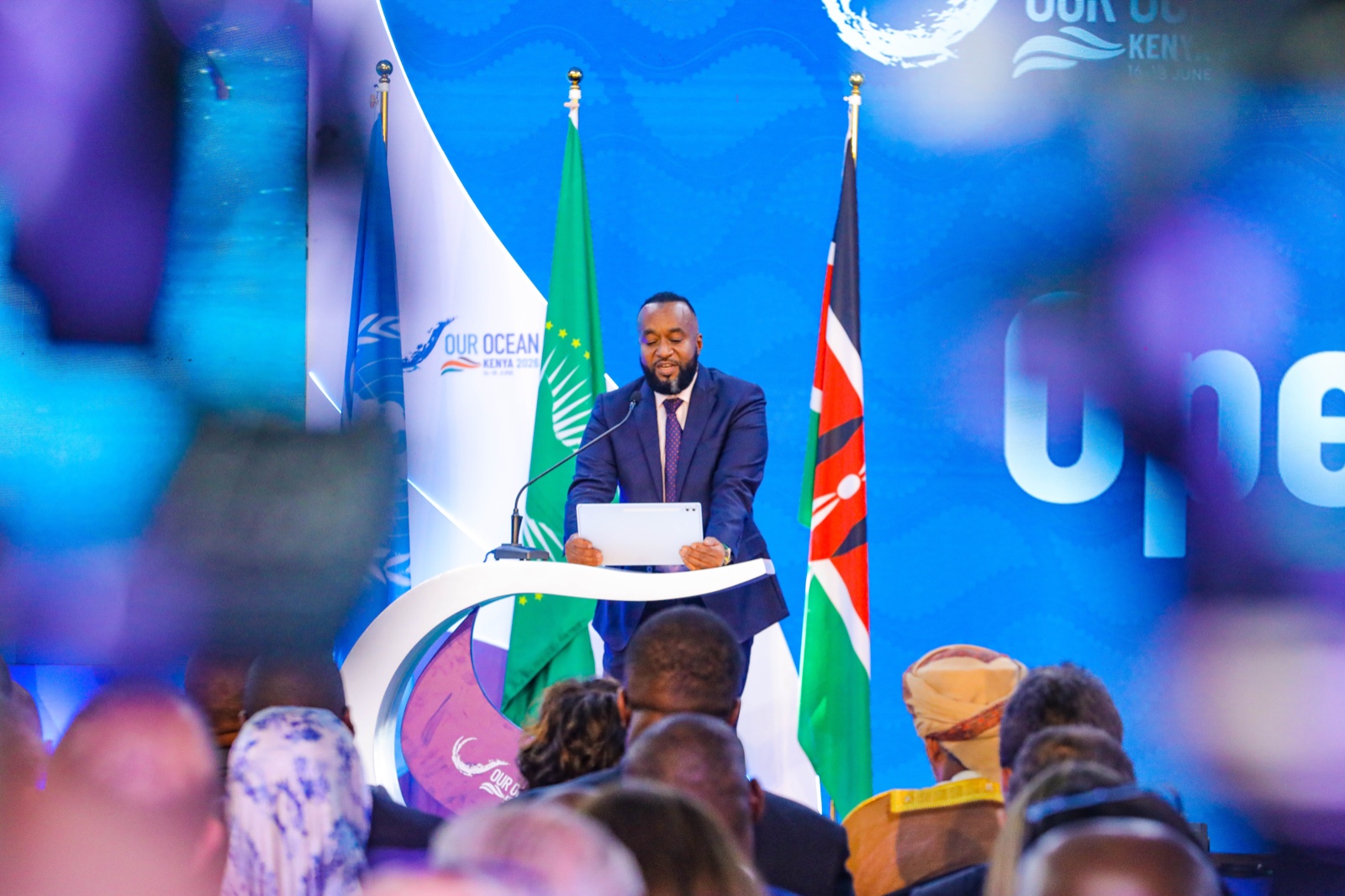
Former U.S. Secretary of State John Kerry, one of the founders of the global ocean movement, thanked Kenya for hosting the conference and praised Africa's growing leadership in ocean conservation despite contributing minimally to global greenhouse gas emissions.
"You cannot have a healthy planet without a healthy ocean," Kerry said.
He noted that the ocean absorbs much of the excess heat generated by greenhouse gases, effectively acting as Earth's life-support system. However, he warned that increasing pressure from climate change, pollution, and overfishing is threatening the ocean's ability to perform this critical role.
Citing scientific findings, Kerry observed that nearly one-third of global fish stocks are harvested at unsustainable levels, while millions of tonnes of plastic continue to enter the ocean annually, eventually breaking down into microplastics that have found their way into the human food chain.
Kerry urged governments to accelerate efforts to protect marine biodiversity, implement the High Seas Treaty, combat illegal, unreported and unregulated (IUU) fishing, and fulfil global commitments such as the target to conserve 30 percent of the world's land and ocean by 2030.
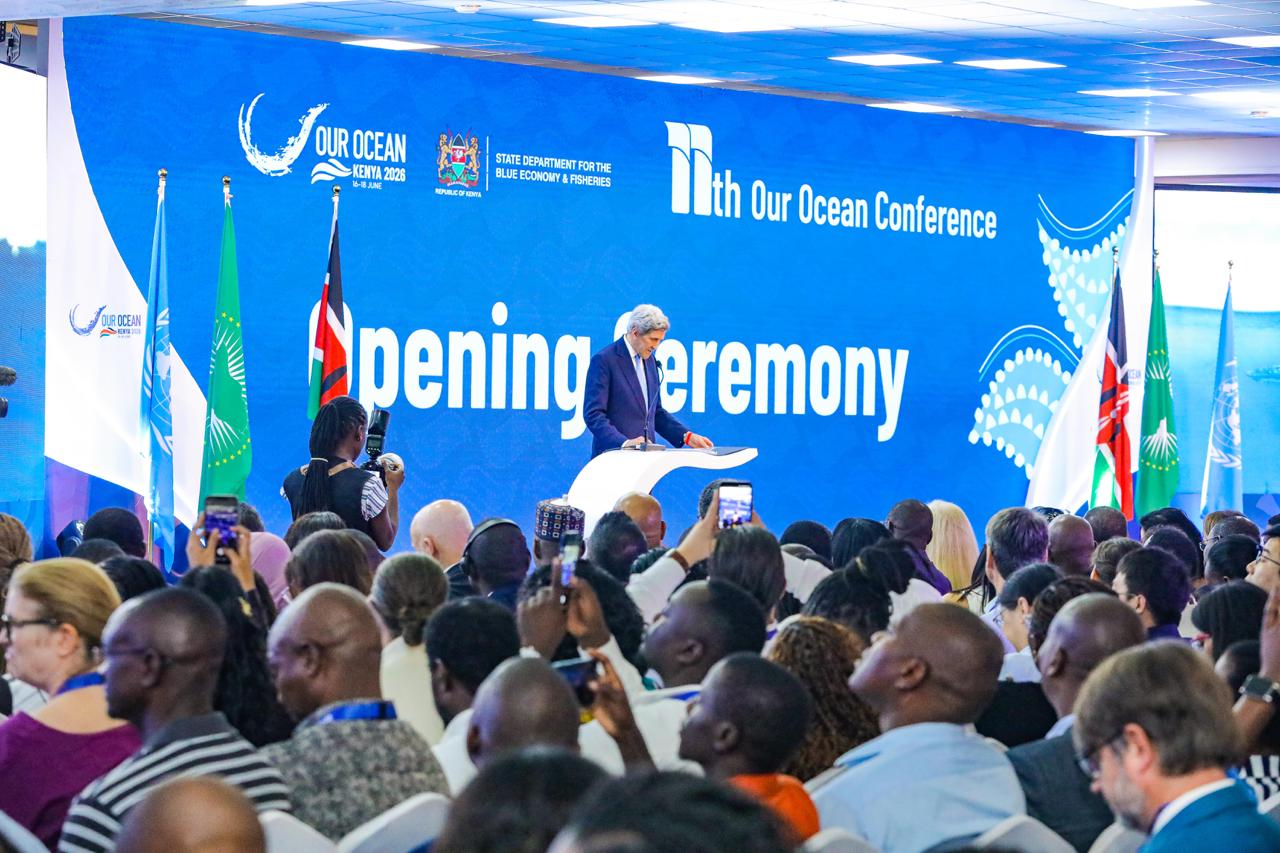
"The question is whether political will can catch up with the scale of the challenge before us," he said. "It is our turn to act on the ocean's behalf."
Cabinet Secretary for Mining, Blue Economy and Maritime Affairs Hassan Joho emphasized the importance of balancing conservation with economic development through a sustainable blue economy. He highlighted opportunities in shipping, logistics, fisheries, and port infrastructure, particularly around the Port of Lamu and Kenya's growing maritime sector.
"Our ocean, our heritage, our future," Joho said, borrowing from the conference’s theme, while describing ocean protection as a shared responsibility that must be guided by science and sustainable development principles.
Cabinet Secretary Lee Kinyanjui echoed the need to harness Kenya's strategic position along the Indian Ocean to create jobs and wealth while ensuring marine resources remain protected for future generations.
Deputy President Kithure Kindiki reiterated Kenya's commitment to global ocean governance and conservation efforts, noting that many of the threats facing the ocean are human-made and can therefore be addressed through policy, innovation, and collective action.
"We need to move from commitments to action and impact," Kindiki said.
He highlighted Kenya's participation in international ocean governance frameworks and efforts to strengthen marine protected areas, conserve biodiversity, and promote sustainable use of marine resources.
Quoting an African proverb, the Deputy President reminded delegates that "we do not inherit the Earth from our ancestors; we borrow it from our children." Underscoring the responsibility of the current generation to protect the ocean and its resources for future generations.
President William Ruto, speaking through a recorded video message from France, welcomed delegates and underscored the central role oceans play in sustaining livelihoods, economies, and ecosystems around the world.
The President reaffirmed Kenya's commitment to marine conservation, scientific research, sustainable blue economy development, and the global "30x30" target. He also called for increased investment in ocean-based industries while intensifying efforts against illegal fishing and other activities that threaten marine security and biodiversity.
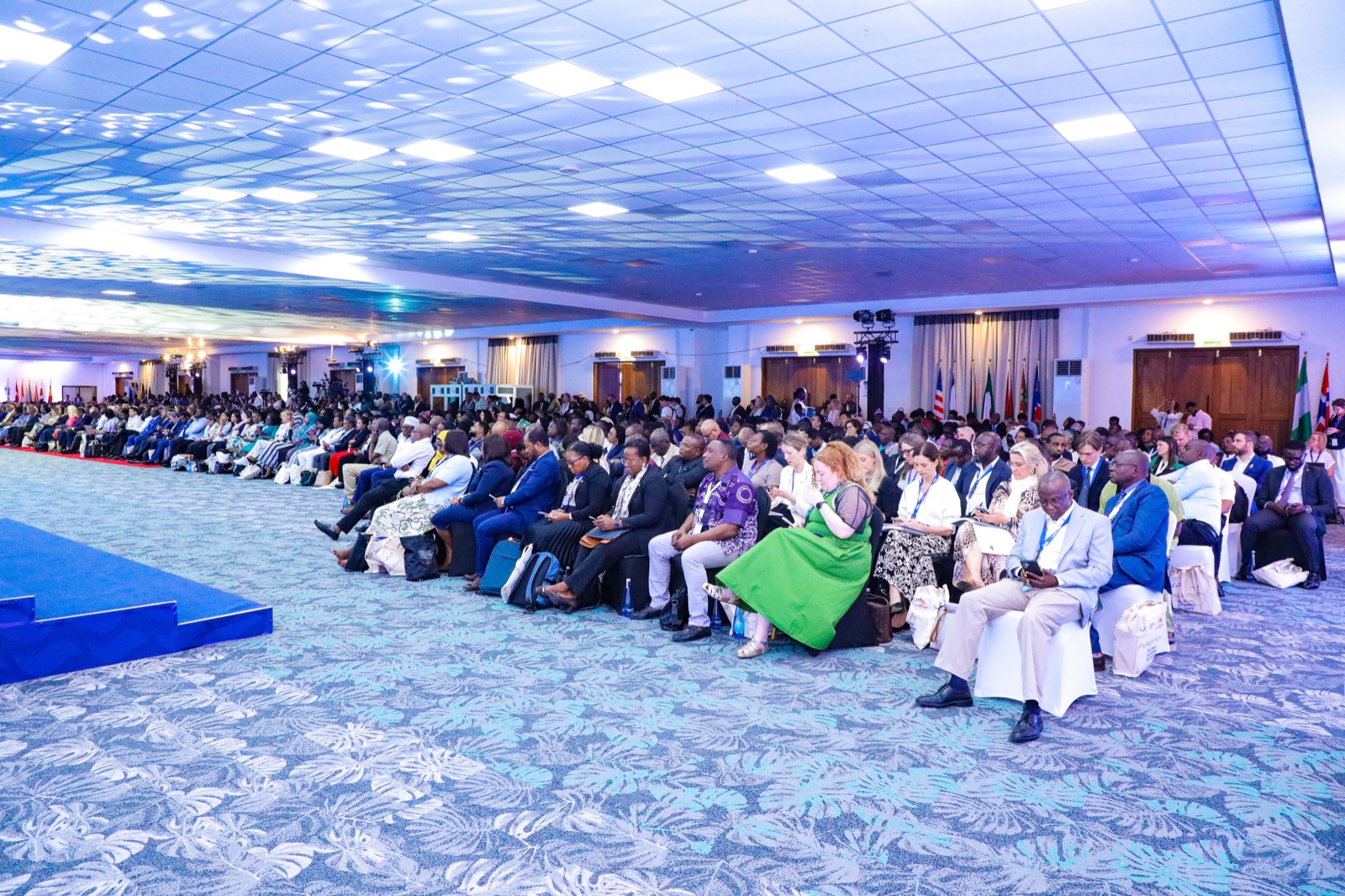
Ruto challenged delegates to ensure the conference delivers more than dialogue.
"We must produce measurable action, stronger partnerships, and meaningful stewardship of our ocean resources," he said before officially declaring the conference open.
Throughout the ceremony, speakers repeatedly stressed that the ocean can no longer be treated as an afterthought in global climate and development discussions. Instead, they called for urgent action to address marine pollution, overfishing, biodiversity loss, and climate impacts while unlocking the economic potential of a sustainable blue economy.