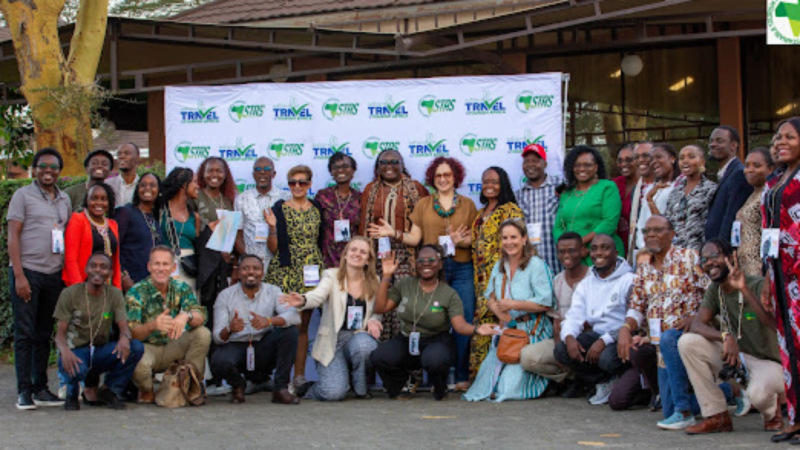
For years, Africa’s tourism story has been told through glossy brochures, luxury safari campaigns, breathtaking drone shots, and carefully curated destination marketing. But at the Sustainable Tourism Africa Summit (STAS) 2026, one difficult question rose above all the conversations: Who gets to tell the story of African tourism, and who gets left out of it?
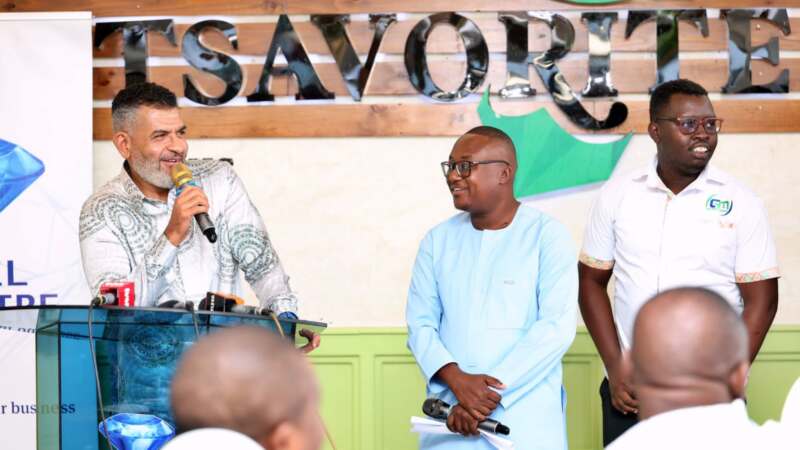
Across two days of bold conversations, the theme being Advancing sustainability stewardship: Valuable pathways to 2030, tourism professionals, sustainability advocates, hospitality players, policymakers, and community voices gathered not to celebrate tourism growth but to interrogate the truths hidden beneath it.
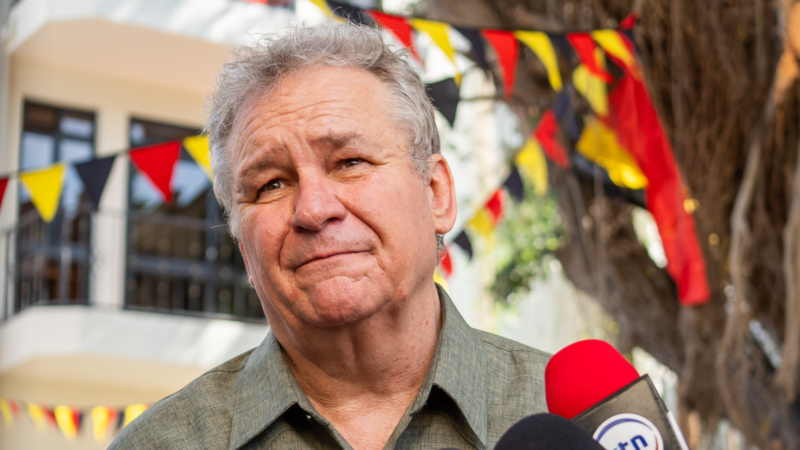
The conversations at STAS 2026 were not centered on arrivals, profits, or investment announcements. Instead, they questioned how tourism is designed, how destinations are managed, how sustainability is measured, and whether the communities at the center of tourism are truly benefiting from the industry built around them. According to Judy Kepher-Gona, the Founder of STAS, that discomfort is intentional.
“I realised that there were no dedicated spaces. Tourism is defined a lot by marketing expos,” she said. “Here is where you get the bold conversations. These are not your PR conversations.”
Now in its 11th year, STAS has evolved into one of the few spaces in African tourism willing to interrogate what Kepher-Gona describes as “the unseen and unheard of tourism.”
One of the strongest ideas emerging from the summit was that the most powerful voices often control tourism narratives, not necessarily the most truthful ones.
“An influential voice is not always the truth,” Kepher-Gona noted.
That single statement lingered across nearly every session. The summit repeatedly challenged whether tourism growth automatically translates into community well-being. Delegates questioned who defines “impact” in tourism and whether local communities genuinely participate in shaping tourism systems or are merely expected to adapt to them.
For Kepher-Gona, one of the industry’s greatest failures lies in how community benefit is discussed but rarely measured honestly. “Strong tourism performance and community well-being are not automatic,” she said during one of the summit’s sessions.
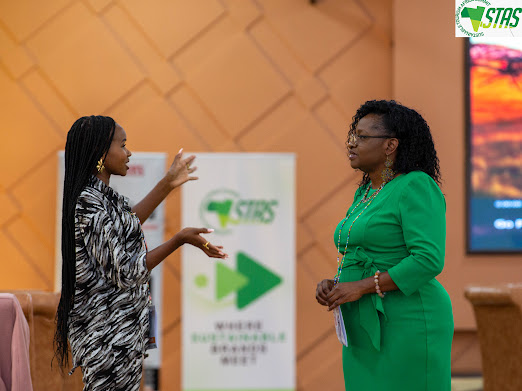
She argued that tourism businesses often speak broadly about “community support” while lacking clear indicators, written agreements, accountability structures, or measurable outcomes to support those claims.
“If your sustainability report was audited tomorrow, what would be hardest for you to defend?” she asked delegates.
That challenge opened a deeper conversation around performative sustainability within the tourism industry, where words like “eco-friendly,” “community impact,” and “cultural preservation” appear prominently in marketing campaigns but are difficult to verify in practice.
hat conversation around visibility and exclusion extended beyond communities into accessibility and travel experiences for persons living with disabilities. Linda Okolo Maruti, one of the speakers at the summit, explained how she saw the need for accessibility advocacy after witnessing the challenges persons living with disabilities continue to face within aviation systems. Her journey into advocacy intensified after Paralympians travelling through the airline experienced accessibility difficulties despite returning home victorious. For Maruti, the experience exposed how tourism and travel systems are often designed around convenience for some while unintentionally excluding others.
“I began the journey by first getting to know stakeholders and then after began to train staff …and then now began to look at the passenger side of things which is where aviation really is big …and we are not where we should be in terms of accessibility, In our aircrafts we don't quite have many equipment that are very accessible, so usually when somebody who is travelling and needs accessibility needs, we risk being a bit inconveniencing them. “
Maruti noted that accessibility advocacy can often feel like “a lonely journey,” and called on more people and institutions & corporates sectors to join the conversation around inclusion and accessibility. She emphasized that accessibility should not be treated as a service or favour, but as a right that allows every traveller to experience movement, safety, dignity, and the world around them equally.
The blue economy conversations also added another layer to the sustainability debate. Speaking to blue Radio, Prof. Bonface Kihima from the Technical University of Kenya emphasized the importance of oceans, lakes, and water systems not only for tourism, but for climate resilience and livelihoods.
“The oceans play a very important role in absorbing around 30% of carbon dioxide,” he explained.
He warned that tourism sustainability cannot exist without proper planning, governance, and credible data systems. “Planning goes hand in hand with data,” he noted.
Yet despite the many tourism strategies and policy documents produced over the years, implementation gaps continue to persist.
Another conversation at the summit focused on the growing link between climate change, wetlands, wildlife, and the future of tourism in Africa. During her presentation on future-proofing wetland areas, Nancy Ogonje, Executive Director of the East African Wild Life Society, explored the nexus between wetlands and tourism, and how climate change together with human activities continue to threaten fragile ecosystems.
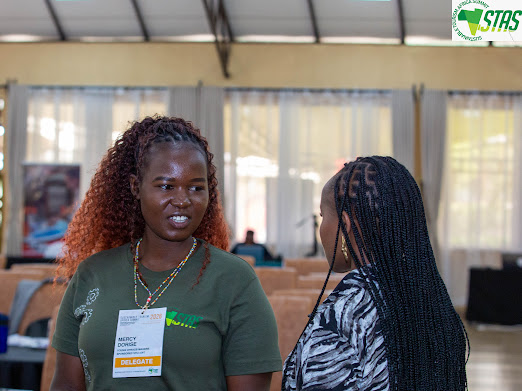
She noted that wetlands remain critical hubs for biodiversity and wildlife, yet Africa’s tourism industry heavily depends on wildlife tourism for livelihoods and economic activity.
For hospitality entrepreneur Winnie Wahome, sustainability conversations must also confront everyday operational realities hidden inside hotels and hospitality spaces.
“Picture a hotel with 300 rooms… that’s about 1,200 pieces of plastic used daily,” she said while discussing the environmental impact of single-use plastics. But beyond plastic waste, Wahome said one of her biggest takeaways from STAS was the need to stop treating communities as passive beneficiaries.
“One thing I really picked from today’s conversation was how we engage communities, not as beneficiaries but as part of what we do,” she said.
That idea perhaps became the clearest takeaway to all delegates who attended the 11th edition of STAS: communities cannot continue existing only as attractions, labour providers, or marketing symbols within tourism ecosystems. They must become partners.And if Africa’s tourism future is truly going to be sustainable, then perhaps the industry must first answer one uncomfortable question: Can tourism honestly claim to support communities if those same communities still have to fight to be heard, recognized, and respected within the very industry built around them?